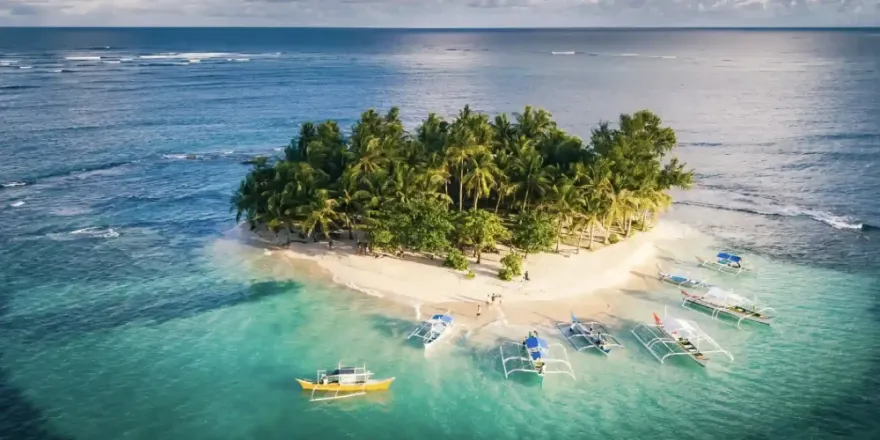
Siargao Isand hopping

Insider Tips for Traveling to the Philippines: Stay Safe, Have Fun in 2026!

The Philippines, an enchanting archipelago with over 7,000 islands, is a dream destination for adventurers, beach lovers, and culture enthusiasts alike. From the world-famous white sands of Boracay to the limestone cliffs of Palawan and the unique charm of Manila’s bustling streets, this Southeast Asian gem offers experiences like no other. However, as a first-time visitor, navigating the vibrant and diverse landscape of the country can feel overwhelming without the proper preparation.

That’s why we’ve put together these tips for traveling to the Philippines—a guide designed to help you make the most of your trip. From the best times to visit to understanding local customs, transportation options, and essential safety measures, this list has got you covered. Whether you’re island hopping in Cebu, diving in Coron, or hiking through the mountains of Luzon, these tips will ensure your journey through the Philippines is seamless, enjoyable, and filled with unforgettable moments.

Let’s dive into the essential tips for traveling to the Philippines and what you need to know before you embark on your unforgettable adventure!


Key Takeaways

  • Plan your trip around the seasons: One of the top tips for traveling to the Philippines is visiting during the dry season (November to May) for the best weather and sea conditions.
  • Pack smart and light: Bring breathable clothes, swimwear, reef-safe sunscreen, and insect repellent—essentials for island adventures.
  • Experience the spirit of Bayanihan: Filipinos are known for their warmth and sense of community. Don’t be surprised if strangers go out of their way to help—it’s all part of the local culture.
  • Respect customs and culture: A friendly smile, learning a few Tagalog words, and showing politeness go a long way.
  • Have cash on hand: ATMS may be scarce in rural areas and small islands, and many establishments prefer cash.
  • Explore local transportation: Try jeepneys, tricycles, and ferries for an authentic and affordable way to get around.
  • Stay connected: Grab a local SIM card at the airport or convenience stores to navigate and stay in touch.
  • Island-hop and explore beyond the usual: The Philippines has over 7,000 islands—venture out to places like Palawan, Siargao, and Bohol for unique experiences.

These tips for traveling to the Philippines will help you make the most of your adventure—safely, smoothly, and with a deeper appreciation of the Filipino way of life.


Plan for Weather Variations

The Philippines has a tropical climate characterized by two main seasons: dry (November to May) and wet (June to October). The dry season is ideal for beach trips and outdoor activities, but local climate variations mean some regions may still see rain during this period. Checking your destination’s specific weather patterns can help you plan better.
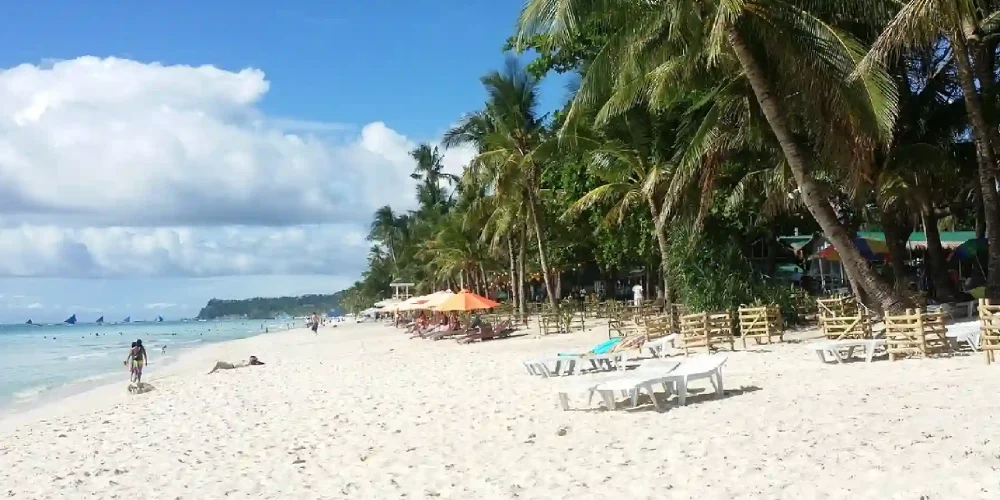
Tips for Traveling to the Philippines

Pack Light and Smart

Since the Philippines has warm weather year-round, pack light, breathable clothing along with essentials like sunscreen, insect repellent, and a hat for sun protection. If you plan to explore remote areas or smaller islands, bring only necessities, as amenities may be limited.

Bring Local Currency (Philippine Pesos)

The Philippine Peso (PHP) is the local currency, and cash is essential, especially in rural areas or smaller shops. While major cities offer ATMs and currency exchanges, many remote places may not accept cards. Bring enough cash for unplanned expenses or places without electronic payment options.
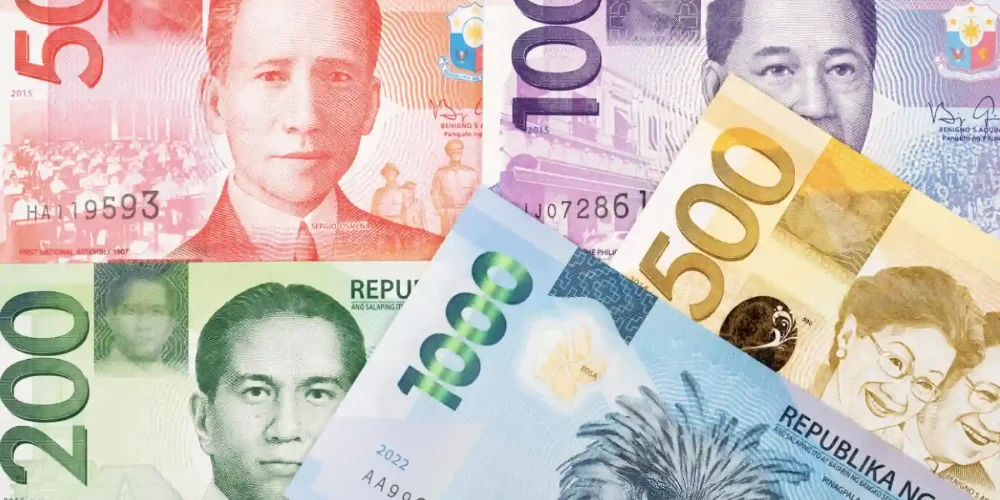
Philippine local currency

Learn Basic Filipino Phrases

Although English is widely spoken, learning a few basic Filipino (Tagalog) phrases can enhance your experience. Simple greetings such as “Magandang araw” (Good day) and “Salamat” (Thank you) are appreciated by locals and add a personal touch to interactions.

Respect Local Customs and Culture

Filipinos are known for their hospitality and warmth. Be mindful of local customs, especially in religious areas, and dress modestly when visiting churches or rural areas. Showing respect for traditions will make your interactions more pleasant.

Plan for Island Hopping and Water Activities

The Philippines is famous for its beautiful islands and diverse marine life. Popular activities include snorkeling, diving, and island hopping. To ensure a safe and enjoyable experience, book reputable tours and follow local safety and environmental responsibility guidelines.

Prepare for Diverse Transportation Options

Getting around in the Philippines can be an adventure. Local transportation includes jeepneys (colorful buses), tricycles (three-wheeled motorcycles), and ferries. Each mode offers a unique experience, especially jeepneys, a cultural icon. Be open to trying various transport types for a full experience.

Stay Hydrated and Be Cautious with Tap Water

The tropical climate can be humid, making hydration crucial. Stick to bottled or filtered water as tap water may be unsafe for drinking. Many hotels provide drinking water, and bottled water is widely available.

Stay Connected with a Pocket Wi-Fi router

Your Philippine travel agency may provide a pocket Wi-fi router, a highly convenient option for staying connected throughout your trip. These compact, portable devices allow you to access the internet anywhere with cellular coverage, enabling you to use GPS, check local maps, browse social media, and stay in touch with family and friends without relying on public or hotel Wi-Fi. A pocket Wi-Fi router typically supports multiple devices, so you and your travel companions can connect your smartphones, tablets, or laptops at the same time.

Having your dedicated Wi-Fi router can be particularly helpful when exploring remote areas, where traditional internet connections may be limited or unreliable.

Take Safety Precautions

While the Philippines is generally safe, exercise standard precautions, especially in tourist areas. In crowded places, keep belongings secure and be mindful of pickpockets. Avoid isolated areas at night and stay informed about your surroundings.

Mind the Food and Enjoy Local Cuisine

Filipino cuisine is varied and rich in flavor. Popular dishes like adobo, sinigang, and lechon are a must-try. If you’re interested in street food, exercise caution, especially if you have a sensitive stomach. When in doubt, ask locals for recommendations on where to try local delicacies safely.
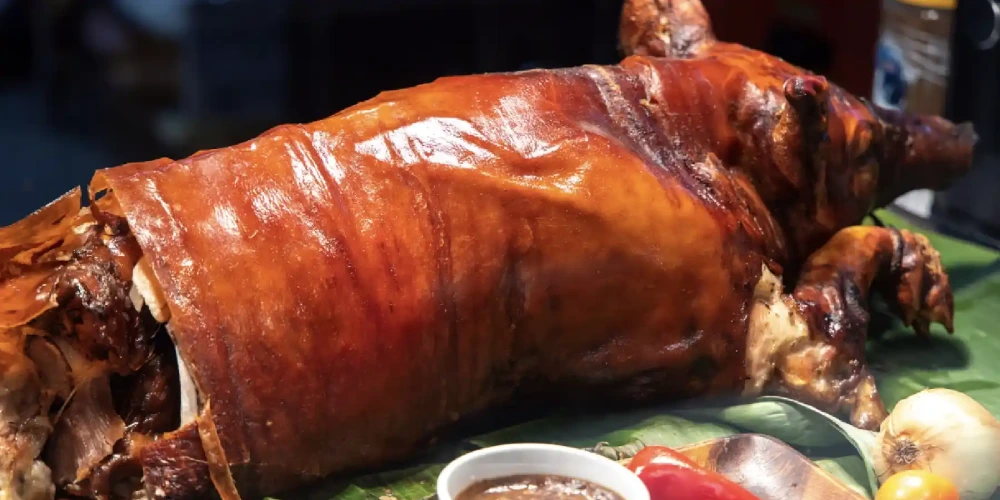
Roast pig

Know Emergency Numbers

The national emergency hotline is 911, and in some areas, 117 may also be in use. For added peace of mind, keep your embassy’s contact details handy in case of any unexpected situations.

Respect Marine Life and Natural Attractions

Help preserve the Philippines’ stunning natural resources by being a responsible traveler. Avoid touching corals, do not litter, and follow any posted guidelines to protect the marine and natural ecosystems.
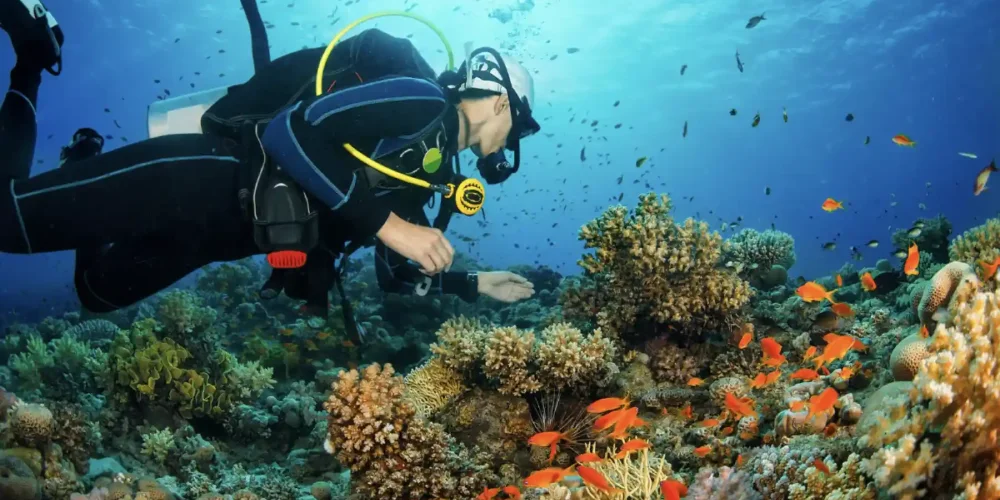
Diving in the Philippines

Bargain Politely

Bargaining is common in local markets. If you choose to haggle, do so with a smile and respect. A friendly approach is typically well-received and aligns with the country’s warm culture.

Best Tip for Traveling to the Philippines

Embrace the Filipino Spirit of ‘Bayanihan’ (Community)

The Philippines is known for its spirit of bayanihan, or community support. Locals are often willing to help visitors and share stories about their culture. Embrace this openness, as it’s one of the best ways to experience Filipino hospitality and make your trip memorable.

Are you excited to experience the wonders of the Philippines? Let Amazing Destinations be your guide! From island-hopping adventures to cultural tours and local insights, we’re here to make your trip unforgettable. Reach out today, and let’s start planning your seamless and enriching journey across the Philippines!
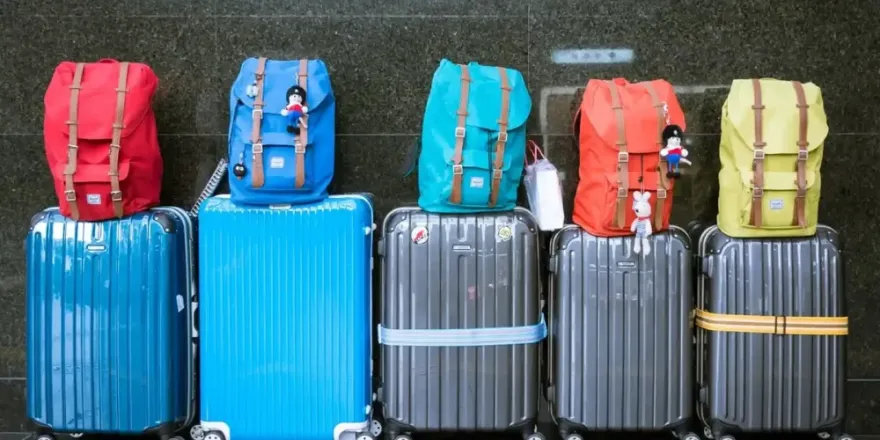
Travel luggages

What to Pack for a Trip to the Philippines: The Complete Guide for 2026

The Philippines, with its stunning beaches, vibrant cities, and lush landscapes, is a dream destination for many travellers. However, it can be challenging if you’re unsure what to bring. This detailed guide on what to pack for a trip to the Philippines aims to help you prepare by covering all the essentials for a comfortable and enjoyable stay. Whether you’re planning to relax on the beaches of Boracay, explore the rice terraces of Banaue, or dive into the rich culture of Manila, we’ve got you covered.


Key Takeaways

  • Pack light and breathable clothing – The tropical climate calls for light, moisture-wicking clothes and comfortable footwear.
  • Don’t forget sun protection – High-SPF sunscreen, sunglasses, and a hat are must-haves for beach days and outdoor adventures.
  • Bring a first aid kit and essential medications – Pharmacies are available, but bringing personal medical supplies is safer.
  • Prepare your toiletries and hygiene items – Travel-sized toiletries, hand sanitiser, and wet wipes are handy, especially in remote areas.
  • Stay powered up – A power bank and universal adapter will keep your devices charged, especially during long travel days.
  • Think ahead about connectivity – A local SIM card or pocket Wi-Fi can make navigation and communication much easier.
  • Include insect repellent – Mosquitoes can be a nuisance, so bring repellent to protect yourself, especially in rural or forested areas.
  • Tailor your packing list to your itinerary – Whether you’re going island-hopping, hiking, or exploring cities, adjust your list accordingly.

Knowing what to pack for a trip to the Philippines ensures you’re ready for anything, so you can focus on enjoying the sun, sights, and warm Filipino hospitality.

Understanding the Philippines’ Climate

The Philippines has a tropical maritime climate characterized by high humidity, temperatures and abundant rainfall. The country experiences three distinct seasons:

  1. Dry Season – From March to May, temperatures can soar, making it ideal for beach trips and outdoor activities.
  2. Rainy Season—From June to November, Expect heavy rains and occasional typhoons. This season is crucial for planning your outdoor adventures.
  3. Cool Season – From December to February, temperatures are cooler and more comfortable, perfect for exploring cities and hiking.

Understanding the climate will help you pack appropriately and ensure you’re prepared for any weather conditions.

Essential Travel Documents

Before you embark on your adventure, make sure you have all the necessary travel documents:

  • Passport: Ensure your passport is valid for at least six months from your entry date.
  • Visa: Check if you need a visa based on your nationality. Many countries have a visa-free agreement with the Philippines for short stays.
  • Travel Insurance: Essential for covering unexpected medical expenses, trip cancellations, or lost belongings.
  • Copies of Important Documents: Have photocopies or digital copies of your passport, visa, travel insurance, and other critical documents. This is useful in case of loss or theft.

Clothing and Footwear

Light clothes for Philippine travel

Suitable Clothes for Various Climates

Pack lightweight, breathable clothing suitable for hot and humid weather. Opt for materials like cotton and linen that allow your skin to breathe.

Beachwear and Swimwear

Don’t forget to pack your favorite swimsuits, board shorts, and cover-ups for the beach. A sarong or light beach dress is also handy.

Comfortable Walking Shoes

A good pair of comfortable walking shoes or sandals is essential for exploring cities and natural attractions. Consider shoes that can handle both urban and rugged terrains.

Rain Gear and Light Jackets

Given the tropical climate, rain can be unpredictable. Pack a lightweight, waterproof jacket or a compact umbrella. A light jacket or shawl is also useful for cooler evenings or air-conditioned environments.

Health and Safety Essentials

what to pack for a trip to the philippines

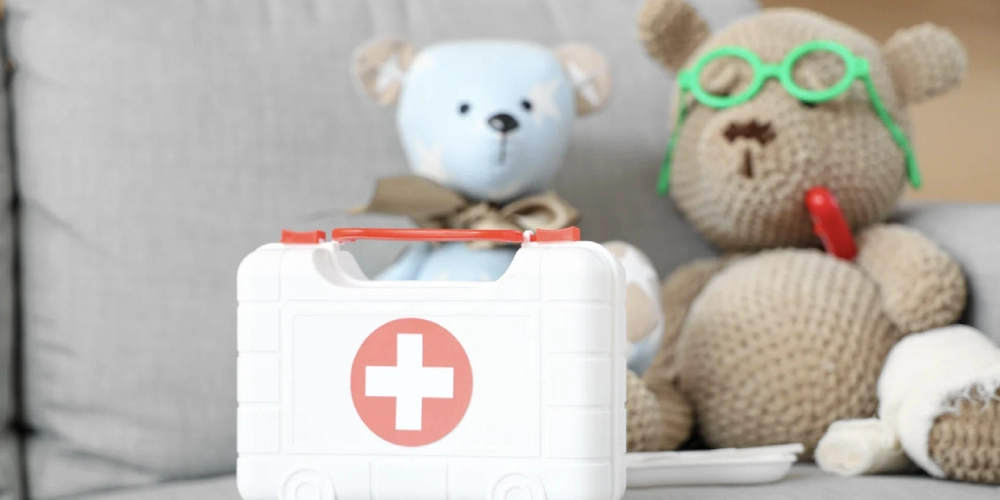
First Aid Kit

A basic first aid kit should include adhesive bandages, antiseptic wipes, pain relievers, and any personal medications.

Medications and Prescriptions

Bring an ample supply of any prescribed medications, along with a copy of your prescription. Pharmacies are available, but it’s best to have your essentials with you.

Sunscreen and Insect Repellent

Protect your skin from the tropical sun with high-SPF sunscreen. Insect repellent is crucial to ward off mosquitoes, which can carry diseases like dengue fever—both must-haves when planning what to pack for a trip to the Philippines.

Toiletries and Personal Care Items

Basic Toiletries

Pack travel-sized versions of your toiletries such as shampoo, conditioner, body wash, and toothpaste. Don’t forget a toothbrush and dental floss.

Travel-Sized Hygiene Products

Hand sanitiser, wet wipes, and facial tissues are handy for maintaining hygiene on the go.

Female Hygiene Products

If you prefer specific brands or products for menstrual care, bring an adequate supply as they might not be readily available in some areas.

Electronic Gadgets and Accessories

Smartphone and Charger

A smartphone is indispensable for navigation, communication, and capturing memories. Ensure you have a charger and possibly a portable power bank.

Power Bank and Adapters

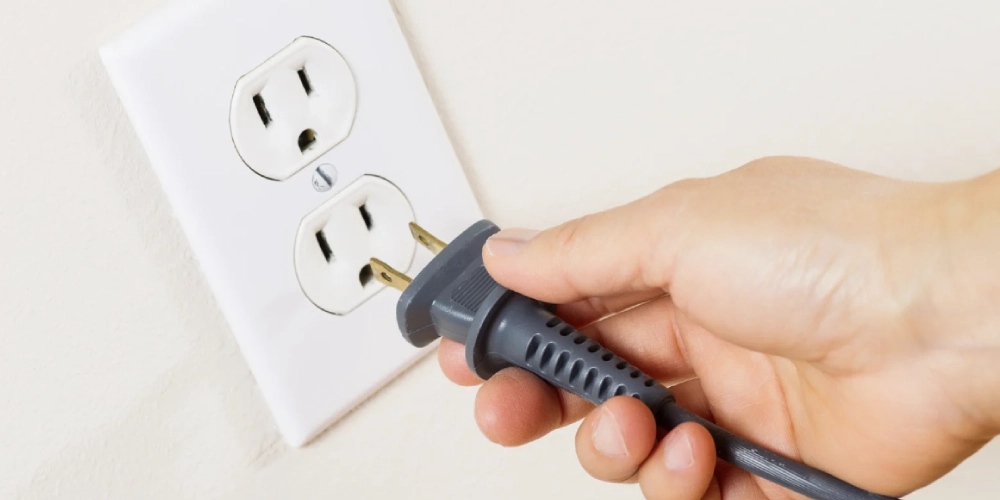
Electric outlets in the Philippines

Electricity in the Philippines is 220V, and the outlets are typically Type A. Bring a universal adapter if your devices require it.

Camera and Memory Cards

Capture the beauty of the Philippines with a good camera. Extra memory cards and batteries are recommended.

Waterproof Phone Case

A waterproof phone case protects your device from water damage, especially if you plan on snorkelling or island hopping.

Travel Gear and Accessories

Backpack or Daypack

A sturdy, comfortable backpack or daypack is essential for day trips and excursions.

Packing Cubes

These help keep your belongings organized and make it easier to find things in your suitcase.

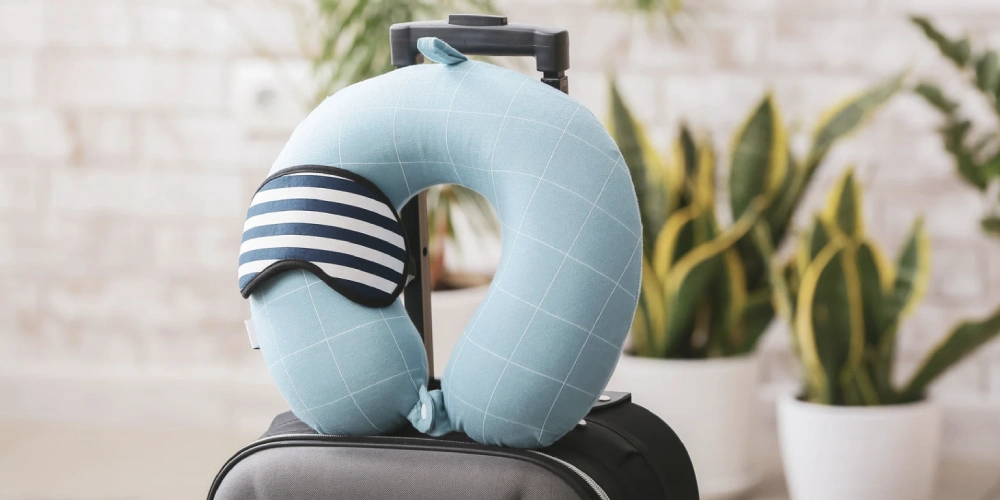
Travel Pillow and Eye Mask

A travel pillow and eye mask can greatly improve comfort on long flights or bus rides.

Travel Pillow and Eye Mask

Reusable Water Bottle

Staying hydrated is crucial in a tropical climate. A reusable water bottle is environmentally friendly and practical.

Money and Financial Items

Local Currency

The currency in the Philippines is the Philippine Peso (PHP). It is a good idea to have some local currency for small purchases and tipping.

Philippine local currency

Credit/Debit Cards

International credit and debit cards are widely accepted in cities. Inform your bank about your travel plans to avoid any issues with card usage.

Money Belt or Hidden Pouch

A money belt or hidden pouch provides extra security for your cash, cards, and important documents.

Beach and Water Activities Gear

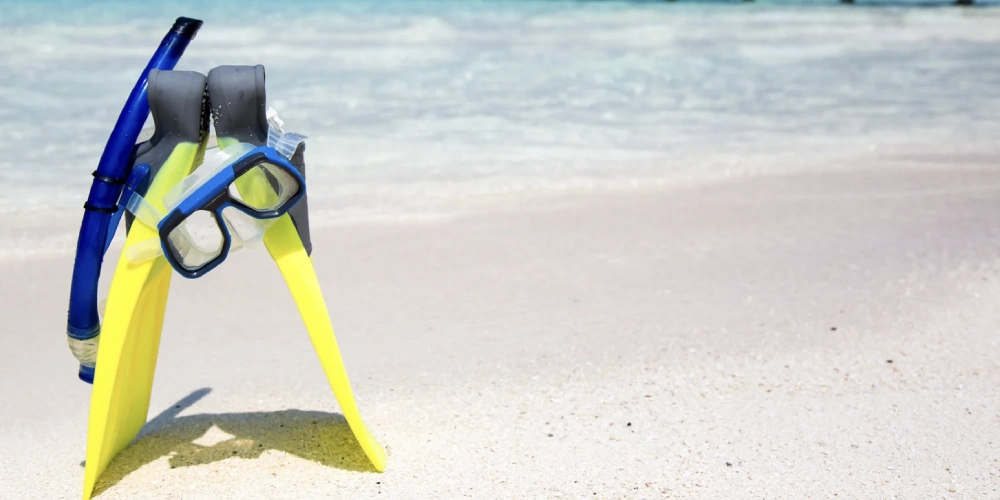
Snorkeling Gear

While you can rent snorkelling gear, bringing your mask and snorkel ensures a better fit and hygiene.

snorkeling gear

Waterproof Bags

Waterproof bags or dry bags are useful for protecting your belongings during water activities.

Beach Towel and Mat

A quick-dry beach towel and a mat or blanket are perfect for lounging on the beach.

Outdoor and Adventure Gear

Hiking Shoes and Gear

Sturdy hiking shoes and appropriate gear are essential for those planning to explore the Philippines’ many hiking trails.

Camping Equipment

If camping is on your itinerary, bring lightweight camping gear, such as a tent, sleeping bag, and portable stove.

Binoculars and Field Guides

For nature enthusiasts, binoculars and field guides are useful for bird watching and exploring the diverse wildlife.

Cultural and Social Etiquette

Appropriate Clothing for Religious Sites

When visiting churches or other religious sites, wear modest clothing that covers your shoulders and knees.

Gifts and Souvenirs

Small gifts for hosts or new friends can be a thoughtful gesture. Consider local items like keychains, magnets, or speciality foods.

Entertainment and Leisure Items

Books and Magazines

Bring a few books or magazines for reading during downtime or long journeys.

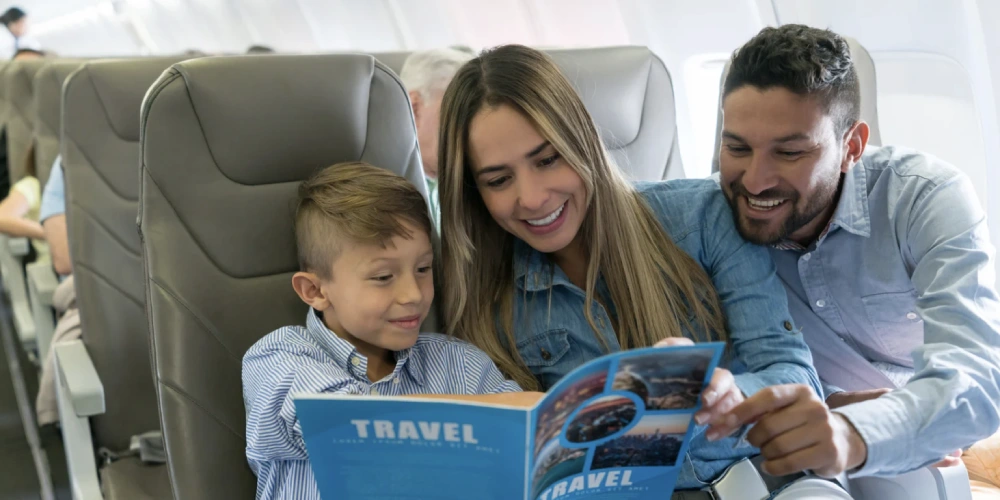
family reading a magazine on airplane

Travel Games and Playing Cards

Travel-sized games and a deck of cards can provide entertainment during travel delays or quiet evenings.

Packing for Different Regions

Packing for Luzon

Luzon, home to Manila and mountainous regions, requires versatile packing. Include urban attire, casual clothes, and hiking gear if you plan to visit places like Baguio or Banaue.

Packing for the Visayas

The Visayas region, known for its islands and beaches, means you should prioritize swimwear, casual beachwear, and water activity gear.

Packing for Mindanao

Mindanao offers a mix of urban and rural experiences. Pack for city exploration and outdoor adventures, including lightweight, breathable clothing.

Sustainable and Eco-Friendly Packing

Eco-Friendly Products

Consider packing eco-friendly toiletries and products to minimize your environmental impact.

Reusable Shopping Bags

Bring reusable shopping bags for souvenirs or groceries to reduce plastic waste.

Travel Tips and Tricks

Packing Light and Smart

Try to pack light by choosing versatile clothing that can be mixed and matched.

Rolling vs Folding Clothes

Rolling clothes can save space and reduce wrinkles while folding may work better for more structured items.

How to Avoid Overpacking

Make a packing list and stick to it. Only pack items you know you will use and wear.

FAQs

What type of clothing should I pack for the Philippines?

Pack lightweight, breathable clothing suitable for a tropical climate. Include swimwear, casual attire, and a light jacket for cooler evenings.

Do I need a visa to travel to the Philippines?

It depends on your nationality. Many countries have visa-free entry for short stays. Check the visa requirements specific to your country.

Is it safe to drink tap water in the Philippines?

Drinking bottled or filtered water is advisable to avoid any potential health issues.

What types of electrical outlets are used in the Philippines?

The Philippines uses Type A, B, and C outlets with a 220V voltage. If necessary, bring a universal adapter.

Should I bring my snorkelling gear or rent it there?

While you can rent snorkelling gear, bringing your own ensures a better fit and hygiene.

What should I do if I run out of medication?

Pharmacies are widely available, but it’s best to bring an adequate supply of your prescribed medications and a copy of the prescription.

Wrapping up

Packing for a trip to the Philippines can be straightforward if you plan and know what to expect. With this detailed guide, you’ll be well-prepared for any adventure, from Manila’s bustling streets to Palawan’s serene beaches. Remember to pack light, stay hydrated, and enjoy your trip to this beautiful and diverse country. Don’t forget to check out the Top 20 Must-Visit Destinations in the Philippines to make the most of your trip. Safe travels!